
Loving Your Loved One Through Their Traumatic Brain Injury
Haylee (Daughter)
Funny enough, March is Brain Injury Awareness Month, so this seems appropriate to talk about.
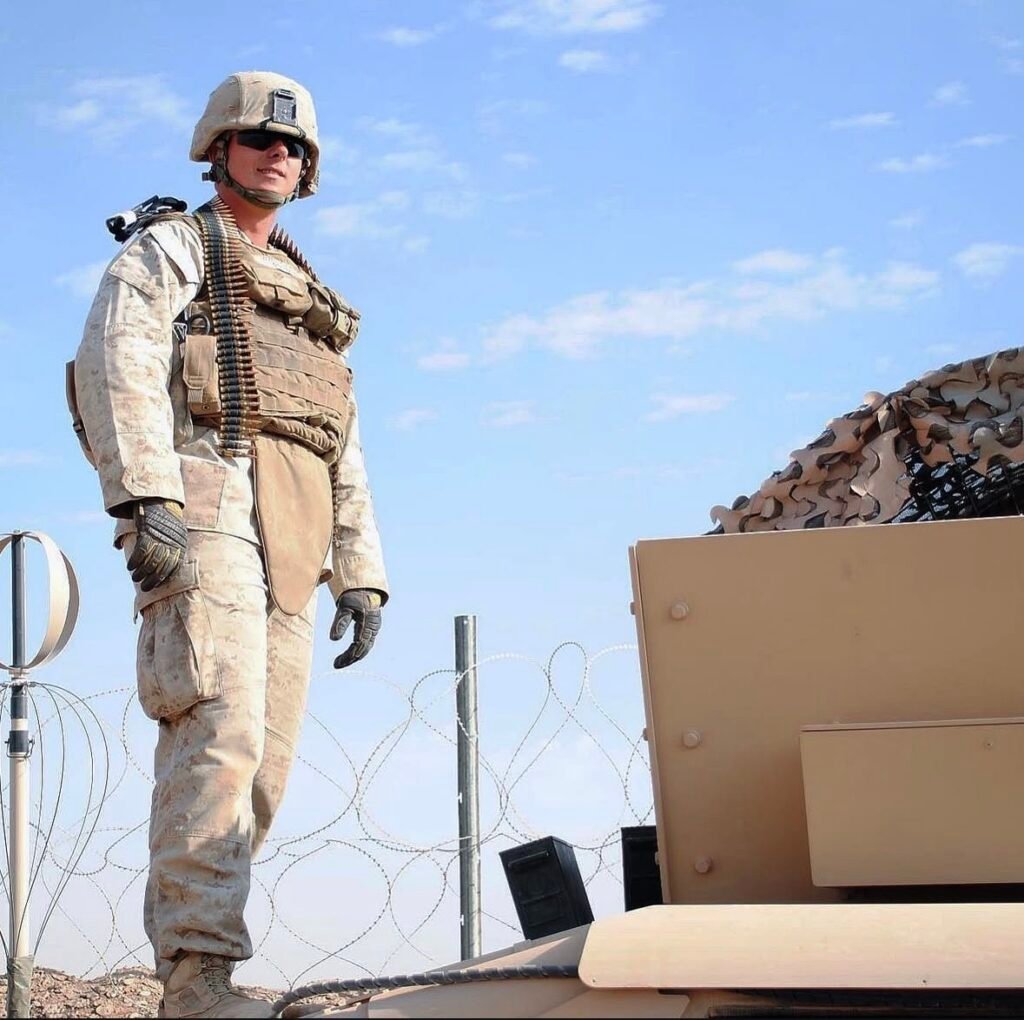
In May 2010, my husband suffered 2 traumatic brain injuries – 2 weeks apart from one another – while on deployment in Afghanistan as a result of explosions from Improvised Explosive Devices (IEDs). You might be asking yourself…
“How does something like this happen to the same person once, let alone twice?”
Well, that’s pretty easy to answer.
My husband was a combat engineer, meaning that he and his guys went out ahead of the infantry and cleared the way – making it as safe as they could for the group traveling behind them. He was simply just doing his job. In the days and months following, he continued to do his job. It would be a couple years before he would really start seeing the negative effects of his injuries.
The effects of traumatic brain injuries don’t just go away, and unfortunately, 9 times out of 10, they don’t get better. If anything, they get progressively worse. There are days filled with irritability, major emotional shifts, fatigue, migraines, and various cognitive challenges. Some days the biggest win is remembering how to get somewhere that you’ve been a hundred times. Other days it looks like granting yourself some grace for not remembering something important, like an anniversary or a birthday.
Despite his injuries happening over 15 years ago, we are still dealing with challenges today. Not every day is hard, but there are days that feel especially difficult. Forgetfulness causes frustration and irritability, not being able to think of the word for something even though he KNOWS what it is and it’s on the tip of his tongue, and chronic fatigue and migraines from his brain working overtime are some of the more common side effects we deal with, because brain injuries don’t just happen to the individual, they happen to the family too.
Ultimately, I’ve learned to not take things too personally, to grant more grace and be more patient, and that the small wins matter the most. While the brain injuries are not an excuse for him to act a certain way, they are a huge factor behind it. I’ve found that it’s important to remember that these invisible injuries affect the individual in ways we can’t fathom.